Broader AI industry news, product launches, and company announcements that don't fit a narrower category.

A recent lawsuit filed by Apple has left the tech world wondering if it will derail OpenAI's plans to enter the hardware market and go public. We dive into the details and explore the potential impact on the AI industry.

Renowned author Dave Eggers confronted OpenAI staff, stating ChatGPT was 'silencing an entire generation,' raising critical questions about AI's impact on human creativity and the future of artistic expression. This direct critique from a prominent cultural figure highlights growing tensions between generative AI developers and the creative community. The event underscores the urgent need for ethical considerations and sustainable models for creators in an AI-driven world.

NVIDIA CEO Jensen Huang's recent visit to Japan has sparked significant interest in the tech community, with deals spanning the entire Japanese tech ecosystem. This move is expected to have far-reaching implications for the AI industry, with potential collaborations and acquisitions on the horizon. As the AI landscape continues to evolve, Huang's visit marks a pivotal moment in NVIDIA's expansion into the Japanese market.

Anthropic is slashing Claude Fable 5 limits in Max and Team Premium plans, effective July 20, and pushing Pro users toward API pricing. This move comes as a surprise, given the company's initial plan to pull Fable from subscriptions entirely. The change is likely a response to competitive pressure from OpenAI's cheaper GPT-5.6 Sol.
Microsoft CEO Satya Nadella has publicly questioned Anthropic's 'Claude Fable' restrictions, stating they 'don't make sense.' This critique highlights a growing tension in the AI industry regarding model accessibility, control, and the divergent strategies of leading AI developers for enterprise adoption and innovation.
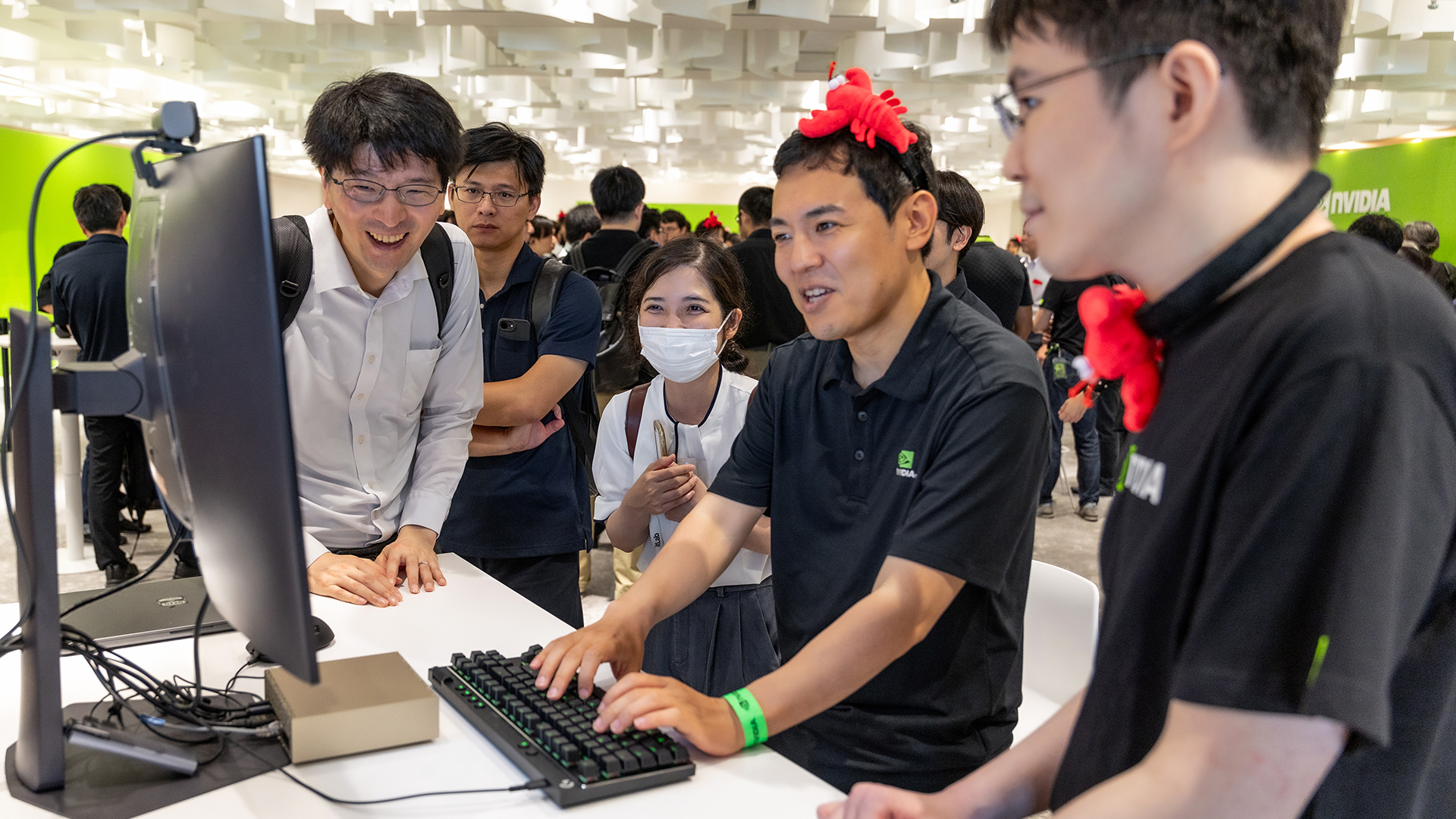
NVIDIA CEO Jensen Huang's recent visit to Japan underscored a major push towards integrating full-stack AI and robotics into every industry, emphasizing the concept of 'personal AI.' At the 'Build-a-Claw' event, developers showcased physical AI agents built with open models and NVIDIA's platform, signaling a new era for intelligent automation.
Alexandre LeBrun, CEO of AMI Labs, a world model startup co-founded by Yann LeCun, is taking a firm stance against using the terms 'AGI' and 'superintelligence' to describe his company's advanced AI. This move challenges the prevailing industry narrative and signals a deliberate shift towards more grounded terminology in AI development.
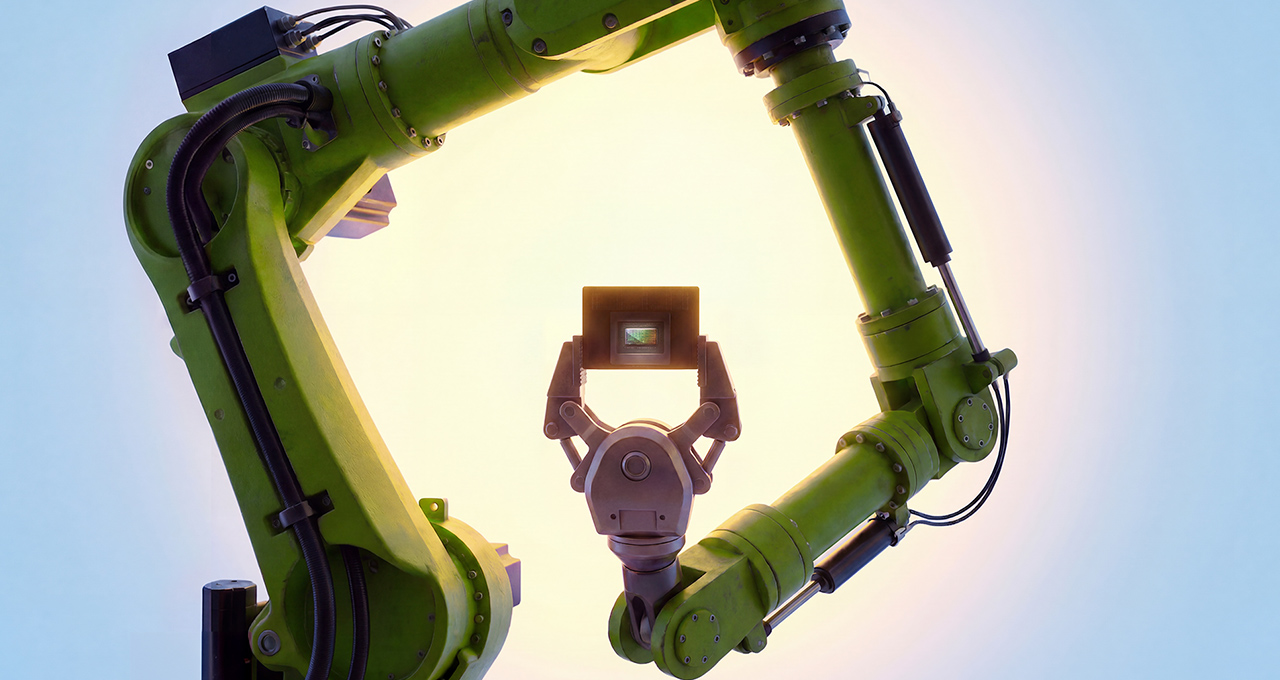
NVIDIA introduced the T3000 and T2000 Jetson modules based on the Thor architecture, advancing mainstream robotics and edge AI applications. These compact, power-efficient AI supercomputers enable mass-market deployment of general-purpose robots and autonomous machines. The new modules deliver high AI compute performance, integrated functional safety, and seamless running of the NVIDIA Halos for Robotics full-stack safety system.
AI giant Anthropic, backed by investment powerhouse Blackstone, is pivoting towards a new frontier: AI implementation. Their new venture, Ode, aims to embed 'forward-deployed engineers' directly within enterprises, addressing the critical last-mile challenge of AI adoption. This strategic move signals a belief that the next trillion-dollar opportunity lies not just in developing advanced AI models, but in their seamless integration and practical application within businesses.
AI giants Anthropic and investment powerhouse Blackstone are shifting focus, betting that the true trillion-dollar opportunity in AI lies not just in creating advanced models, but in their seamless, expert implementation within enterprises. This strategic pivot is exemplified by the launch of Anthropic-backed Ode, a new venture designed to embed forward-deployed engineers directly into client organizations to accelerate AI adoption and value realization.

Elon Musk and OpenAI CEO Sam Altman are engaged in a public spat on social media after Apple filed a lawsuit against OpenAI. The lawsuit alleges that OpenAI misappropriated Apple's trade secrets. Musk and Altman have been exchanging barbs, with each accusing the other of scamming investors.
Sam Altman's public dismissal of 'space data centers' as a viable public market investment, aimed at Elon Musk, has ignited a crucial debate about the future of AI compute infrastructure. This 'trash talk,' validated by many experts, underscores the immense challenges and economic realities facing ambitious off-world computing visions. The exchange highlights a divergence in strategic thinking between two AI titans regarding where the industry's significant capital should be directed.
Microsoft CEO Satya Nadella has issued a stark warning to companies leveraging AI, likening proprietary models from giant AI labs to 'Trojan horses.' This significant statement underscores growing concerns about vendor lock-in, data privacy, and the strategic implications of over-reliance on opaque AI systems.
Elon Musk and Sam Altman are sparring on X after Apple filed a lawsuit against OpenAI, accusing the company of stealing trade secrets. The lawsuit has sparked a heated debate between Musk and Altman, with both sides trading insults. The outcome of the lawsuit could have significant implications for the AI industry.
The public feud between Elon Musk and Sam Altman has reignited, highlighting a fundamental ideological battle over AI's future, safety, and commercialization. This ongoing conflict, centered around OpenAI's mission and direction, is sending ripples across the entire AI ecosystem. As two of the most influential figures in tech clash, their disagreements could profoundly shape how artificial intelligence is developed and governed.
OpenAI co-founder Greg Brockman has reportedly taken charge of the company's product business following the departure of former Meta executive Fidji Simo. This significant internal shift places a key figure with deep technical and foundational knowledge at the helm of OpenAI's commercial offerings, signaling potential new directions for its enterprise and consumer-facing AI products.
This week in tech saw the AI industry's titans clash, as Elon Musk's legal battle with Sam Altman and OpenAI escalated, questioning the very ethos of AI development. Simultaneously, industry leaders like Howard Lutnick weighed in, highlighting the profound implications for innovation, regulation, and market dynamics.

OpenAI CEO Sam Altman has reversed his stance on AI's impact on jobs, now believing it creates more jobs than it eliminates. This shift in perspective is significant, as Altman had previously warned of potential mass layoffs due to AI. The change in stance is also shared by Anthropic CEO Dario Amodei, who now views automation as a productivity multiplier rather than a job killer.
OpenAI is transforming its flagship ChatGPT model from a conversational assistant into a dedicated workplace AI agent, signaling a major shift towards deeper enterprise integration and autonomous task execution. This move positions AI as a proactive 'employee' capable of enhancing productivity across various business functions.
OpenAI is making a significant strategic move, hiring a dedicated Product Manager to develop ChatGPT experiences tailored for families, caregivers, and older adults. This initiative signals a clear intent to expand AI's reach beyond early adopters and professional use cases, aiming for deeper integration into daily household life and unlocking a vast, underserved consumer market.
If industry news news like this is relevant to your business, ThinkSuite can help you act on it.
AI Automation & Workflows →